
Tanzania
The Jewish community in Arusha, Tanzania, has experienced a revival in recent years, thanks to the dedication of leaders like Yehudah Amir Kahalani. Descended from Yemenite and Moroccan Jews who migrated to East Africa in the late 19th century, the community faced—and still faces—periods of secrecy and assimilation due to persecution. Today, over 100 members actively participate in Jewish life, with around 40 maintaining strict observance. Services at Shalem Shabazi synagogue, founded in 1882, are conducted in Hebrew and Swahili using the Yemenite Baladi nusah.
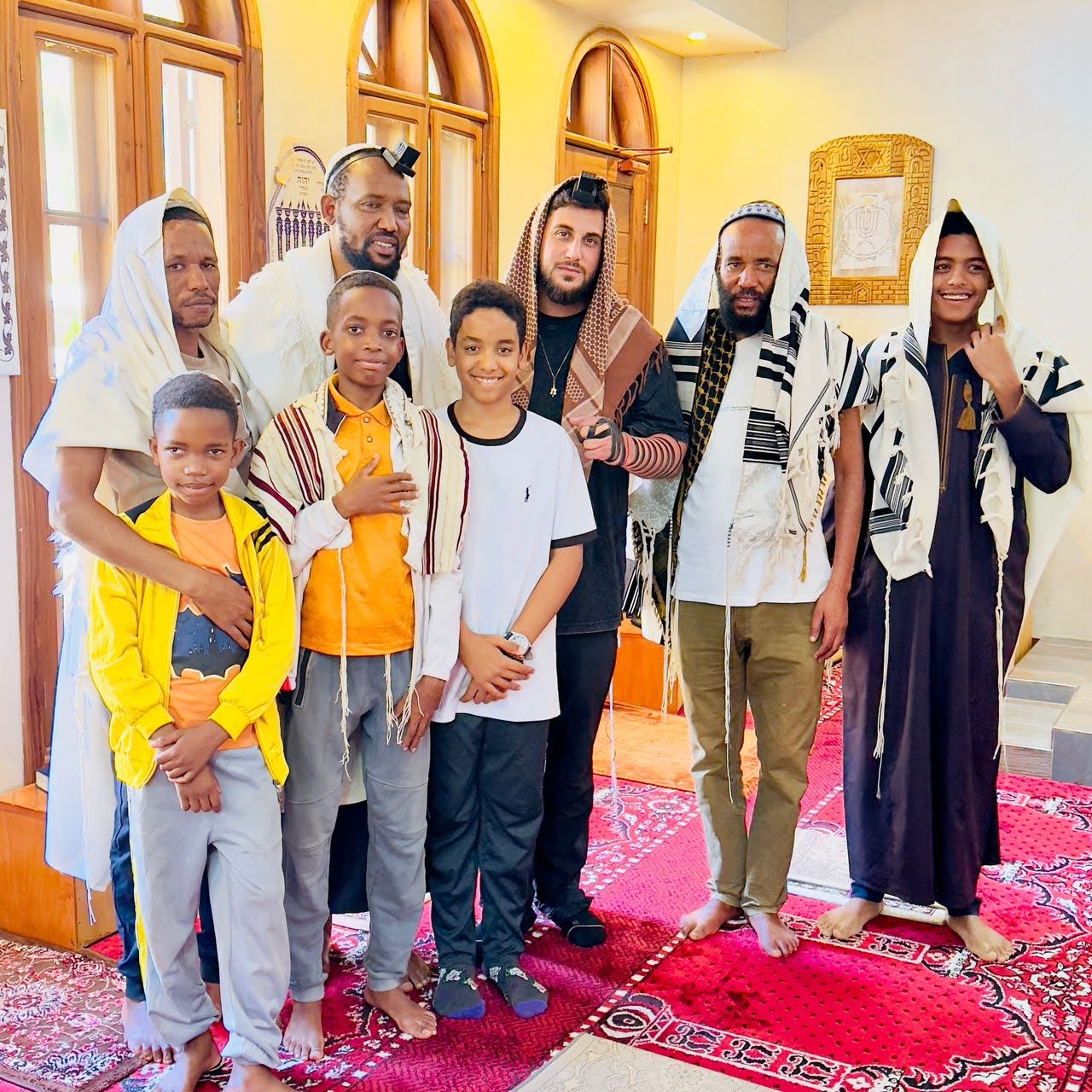
Community members meet Rudy Rochman after shaharit
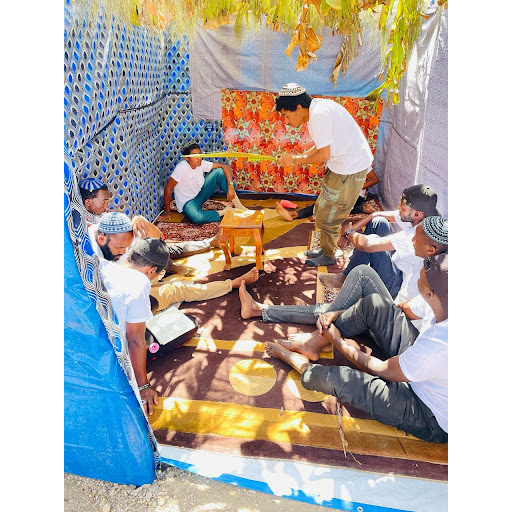
Celebrating Sukkot with the local tradition of sitting on the ground
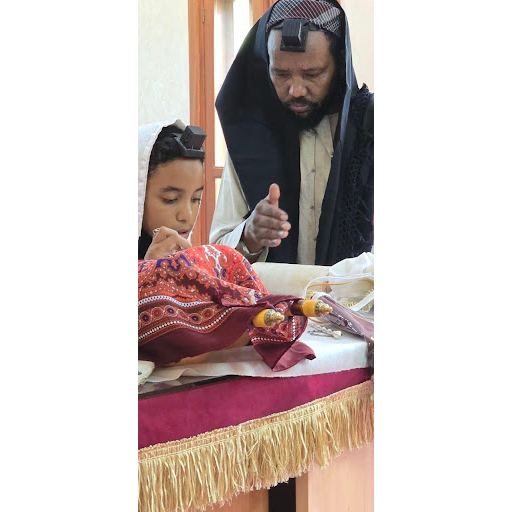
Anaiah celebrates his bar mitzvah in 2025

Local Industries
Professionals, Hospitality

Denomination
Baladi Yemenite

Community size
100

Languages
Swahili, Arabic, English, Hebrew
Kulanu has played a pivotal role in our community life, providing assistance during Jewish holidays that has enriched our celebrations and fostered a sense of belonging. Their support has not only been logistical but also deeply meaningful, allowing us to connect with our traditions and heritage in ways that were previously challenging. From supplying us with festive materials to organizing events, supporting infrastructure-building projects to providing educational resources, Kulanu has ensured that we never feel alone. Kulanu has made a lasting impact on our community, and for that, we are forever grateful.
Discover Tanzania
Discovering Global Judaism
Until the 1980s, Tanzania’s Jewish community only knew of other Jewish groups in Yemen, North Africa, the Middle East, and India, but not Ashkenazim. This discovery led to a deeper engagement with global Jewry and an understanding of the diversity within the Jewish world. Today, the community maintains strong ties with other African and Middle Eastern Jewish traditions while integrating broader Jewish learning into their practice.
Challenges of Isolation
The Jewish community in Tanzania faces several challenges as it works to sustain its traditions. Religious infrastructure and access to Jewish items requires reaching beyond Tanzania, for example to import tefillin and mezuzot or bring a shohet from abroad for kosher meat. Jewish education is a priority, but with no local Jewish schools, learning is family-led. Nevertheless, the community has a strong commitment to traditional Jewish life while seeking sustainable ways to ensure their long-term growth and religious continuity.
Strengthening the Community and Looking Ahead
To ensure long-term growth, the community is working on initiatives that promote both self-sufficiency and stronger ties with global Jewry. One key project is the development of affordable guest accommodations for Shabbat visitors, which would not only make it easier for Jewish travelers to join the community for holidays but also generate income to support synagogue upkeep and local programs. Small businesses, including agriculture and hospitality, are being explored as sustainable sources of revenue. Support from organizations like Kulanu has already helped provide essential resources such as prayer books, ritual items, and educational materials, and continued engagement with the wider Jewish world will be crucial in strengthening Jewish life in Tanzania.