
Uganda
Abayudaya
The Abayudaya have been practicing Judaism for over a century in villages near Mbale. The majority are in the Pallista district, with additional communities in Namutumba and Apac. The Abayudaya boast impressive Jewish infrastructure that supports thriving local observance, including their own rabbis, schools, synagogues, mikveh, yeshiva, guest house, shehitah facilities, and medical facilities. The community is well-known globally and continues to develop ties beyond Uganda. A few community members have studied in Israel and the US, and many more have formally converted in recent years, mostly to Conservative (Masorti) Judaism and a few to orthodoxy.
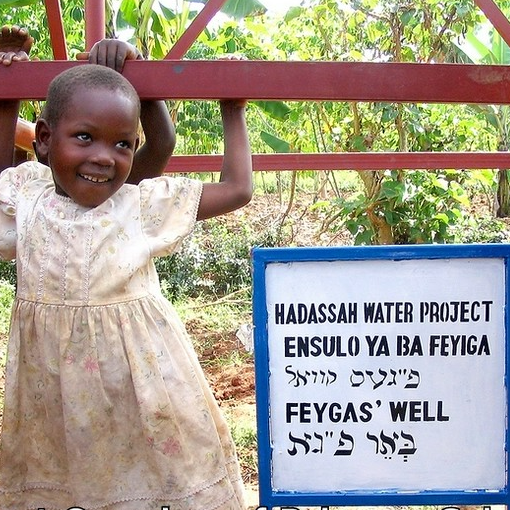
Children celebrate the opening of the first community well
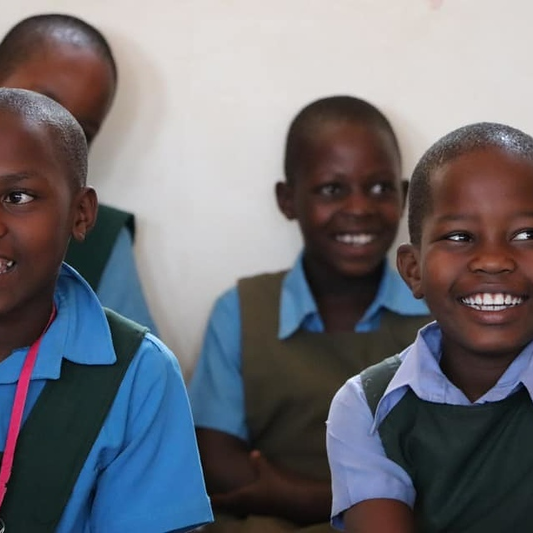
Girls enjoy their studies at the Hadassah Primary School, funded by Kulanu
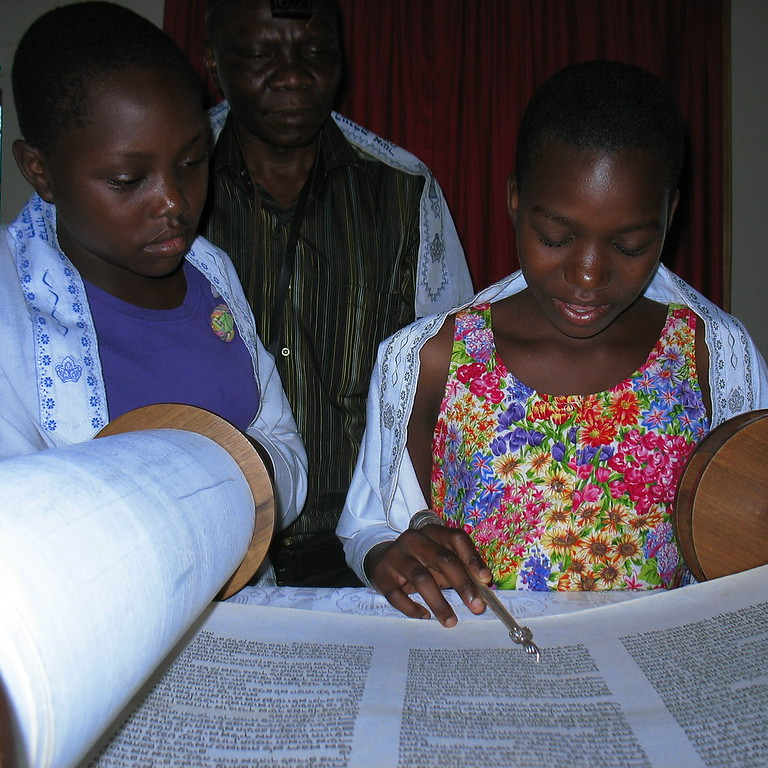
[Name] celebrates her bat mitzvah by reading from the Torah
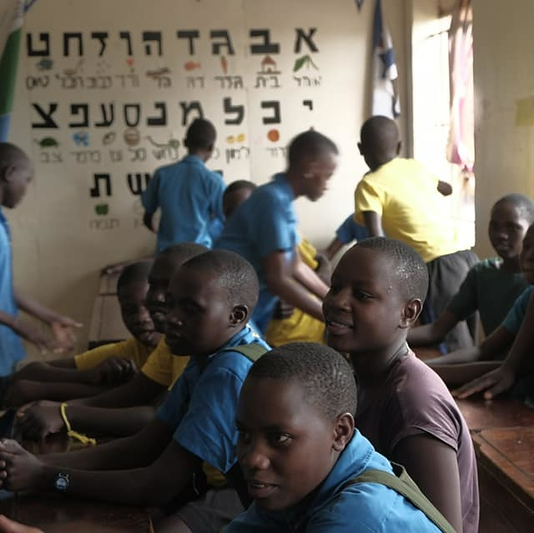
Students learning Hebrew at Hadassah Primary School
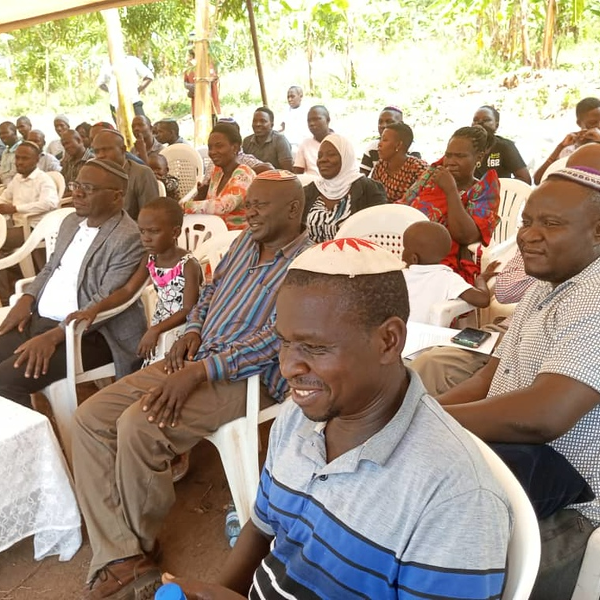
Celebrating the opening of the Nangolo Synagogue in 2022

Practicing Judaism since
1919

Community size
2000+

Location
Mbale

Local Industries
Farming, coffee, music
Shoshanna was raised by her grandparents who gave her a deep love of Judaism and Israel. After graduating from college, she worked as a community health educator and for an agriculture company, and then studied at the Pardes Institute of Jewish Studies and Hebrew Union College.
Discover Abayudaya
A century of tradition
Uganda’s famous community has created exceptional community and infrastructure over 100+ years of Jewish practice. Boasting multiple schools and synagogues, a yeshiva, and multiple medical institutions, the Jewish community makes some of its infrastructure available to neighboring Muslim and Christian villages. Followers of the Abrahamic faiths enjoy excellent relations, including through a coffee cooperative.
Musical fame
The Abayudaya are famous for their music, which fuses Jewish words and Ugandan styles. They sing in both the Hebrew and Luganda languages, often switching between them in a single song. Many of their songs are settings of psalms and traditional Jewish liturgy. One of their two albums received a Grammy nomination! Kulanu also maintains an Abayudaya YouTube channel with music and other insights into Abayudaya life.
Kulanu and the Abayudaya
Kulanu has a long-standing and deep relationship with the Abayudaya. Major ongoing projects include support for Jewish schools and running a deaf education program. In addition, Kulanu has recently supported infrastructure development, including synagogue construction and repair, latrine construction, and the building of a mikveh (ritual bath).